Learning COPD: Symptoms, Diagnosis and Home Care Support.
What is COPD?
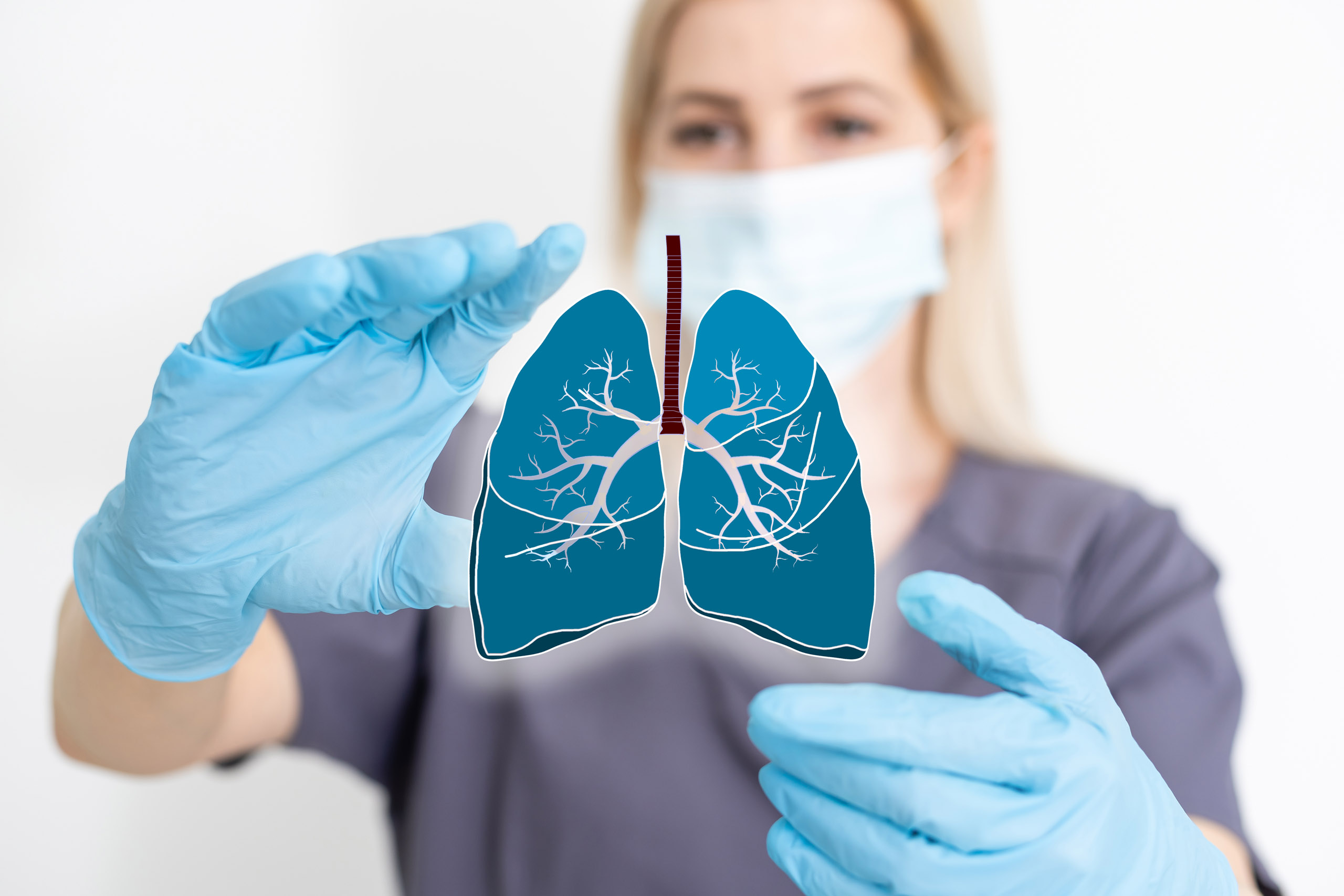
Chronic Obstructive Pulmonary Disease (COPD) is a chronic lung disease that causes difficulty in breathing because of the obstruction of airflow. It is normally caused by long exposure to irritants like cigarette smoke, air pollution, or workplace dust and chemicals. As time passes, the lungs become less elastic and hence the air circulates in and out with difficulty.
COPD consists of two broad conditions, namely, chronic bronchitis and emphysema. Both influence the lungs and lead to chronic inflammation and airways contraction.
Common Symptoms of COPD
COPD does not occur in a complex way, but there are chances of symptoms being confused with the standard respiratory problems. Early diagnosis is very important when it comes to the
management of the disease.
Key symptoms include:
- Persistent cough with mucus
- Dyspnea (trust), mainly on activity.
- Wheezing, chest tightness.
- Fatigue and low energy
- Often breathes illnesses.
In case you have been having these symptoms frequently, it is necessary to seek medical attention so that the cause can be identified and treated.
How is COPD Diagnosed?
A combination of a medical history, physical exam, and lung function tests are done to diagnose COPD.
The Methods of Diagnosis are:
Spirometry: Determines airflow in order to determine the effectiveness of lung functioning.
CT scan or Chest X-ray: This assists in discovering emphysema and other abnormalities of the lung.
Blood tests: Monitor the oxygen and carbon dioxide levels in the blood.
Managing COPD at Home
Although COPD is not a disease that can be cured, appropriate management and lifestyle changes can help to a large extent to improve the quality of life. Patients will be able to be provided with regular care at the comfort of their homes with the help of home healthcare services.
As effective strategies in home care, there are:
Medication Management: To manage symptoms and avoid exacerbations, regularly take prescribed inhalers and medications.
Oxygen Therapy: Home oxygen therapy can be used to relieve the breathing difficulty and make the patient more comfortable when oxygen is low.
Pulmonary rehabilitation: Breathing functions and exercises enhance the ability of the lungs and their strength.
Changes to the usual lifestyle:
- Quit smoking
- Maintain a healthy diet
- Avoid air pollutants and allergens.
- Be physically active.
Home healthcare professionals are also essential in monitoring the treatment plan prescribed such as medication schedules, breathing exercises and ensuring continuous education to the patients and their families.
Indications to consult a Doctor.
In case of the escalating shortness of breath, the development of excessive mucus, or frequent infection, it should be consulted with a doctor as soon as possible. Early management can be used to treat outbursts and lessen hospital admissions.